As we come to an end in 2025 and start the 2026 year, many homeowners are looking for energy-efficient upgrades for their homes. If you’re like most homeowners, some of your biggest expenses throughout the year are for heating and cooling your home. Below, we’ll take a look at some of the HVAC integrations coming to the market in 2026 that can help lower your bills and increase your comfort.
AI and Machine Learning Systems
Probably the biggest innovations coming about in the HVAC industry are those with the integration of artificial intelligence and machine learning into new heating and cooling systems. Typically, HVAC systems were designed to run on a fixed schedule set by the user. With the integrations of AI and machine learning, newer systems are able to learn from your behavior, dynamically adjust their settings, and better predict your comfort needs.
These systems do this through a variety of different information gathering, such as home occupancy, electricity prices, and even the outdoor weather forecast. The combination of machine learning and artificial intelligence will optimize your energy savings by boosting overall performance and custom-tailoring your home’s comfort to meet your unique needs. You’ll be alerted when predictive maintenance is necessary.
Heat Pump Integrations
Heat pump technology continues to evolve as this type of HVAC system sees continual spikes in demand. Cold-climate heat pumps are becoming a more popular item that are capable of heating homes in extremely low temperature conditions. These are more practical options for the colder regions where standard heat pumps simply couldn’t serve in the past.
Another popular option that’s on the rise is hybrid heating systems that combine heat pump technology with existing heating systems. This allows homeowners to better balance performance, cost, and overall system efficiency in colder climate conditions. Air-to-water heat pumps are slowly becoming more popular in the market due to their ability to deliver hot water and space heating all in one unit.
Refrigerant Innovations
Over the recent decade, there’s been a lot of changes in the refrigerant industry. As we discover more and more about how refrigerants can affect global warming and climate change, new restrictions are being put in place to minimize our impact on the environment. As we move into 2026, you’ll see systems using R-32 and R-454B refrigerants.
These are newer refrigerants that have a much lower global warming potential than the past options of R-410A. Apart from just being safer for the environment, these newer refrigerants allow your system to operate more efficiently. You can enjoy more safety, regulatory compliance, and better efficiency from newer systems using these new refrigerants.
VRF Systems
VRF, known formally as variable refrigerant flow, systems are gaining in popularity as we head into 2026. These systems are specifically designed to better control the amount of refrigerant sent to each indoor air handler unit in a zoned HVAC system. This helps boost overall efficiency when it comes to operation and overall comfort when it comes to controlling the indoor temperature.
Many come with integrated heat recovery technology that allows you to capture heat from one area and use it in another. These are our ideal systems when it comes to scalability and flexibility for home additions or multi-level layouts.
IAQ Upgrades
We can’t talk about HVAC upgrades without diving into indoor air quality solutions. As more and more homeowners are becoming increasingly concerned with the quality of their indoor air, innovation in the indoor air quality sector of the HVAC industry is in high demand. In 2026, you’ll see many new upgrades that can enhance indoor air quality for homeowners.
You’ll see more use of high-efficiency filtration systems that utilize habit technology to trap viruses, allergens, and fine particulates. UVC lighting will continue to expand as it helps to neutralize pathogens and VOCs from your indoor air. Real-time indoor air quality monitoring is a fairly new product that will likely see a lot of installation in 2026.
These monitoring systems come with various sensors that track indoor pollutants like fine particles, volatile organic compounds (VOCs), humidity, and even carbon dioxide. With real-time monitoring, your system can adjust its ventilation and purification automatically based on its monitoring results. Homeowners can enjoy cleaner indoor air and peace of mind knowing that their highly susceptible family members are safe.
Predictive Maintenance and Remote Diagnostics
Most newer HVAC units are coming with built-in IoT sensors and smart diagnostic technology. These work to monitor key performance metrics of your system, such as vibration, compressor efficiency, temperature, and so much more. Whenever any of these metrics are out of whack, your system will automatically send an alert to notify you of the anomaly.
Some systems can even be set up to remotely alert your HVAC technician to the malfunction. This type of technology can help you detect problems with your system before they turn into major system failures. You’ll receive routine alerts about getting preventative maintenance so that you don’t forget. This will help you keep your system operating as efficiently as possible and reduce potential downtime.
Modular Technology
One of the biggest drawbacks of traditional HVAC systems is that you have to upgrade the system anytime you make a major change to your home, like adding a home addition. Newer HVAC systems are being designed with modularity and scalability in mind. Newer systems allow you to add zones without replacing your entire HVAC unit.
Many come with modular plug-and-play units that can be installed to retrofit existing units or aid in expansion. This technology not only leads to a lot of cost savings because you don’t have to upgrade your existing unit, but also offers less disruption to your property. These systems will allow you to future-proof your home for additional upgrades whenever you decide you want to add on additional living space.
Renewable Energy Integration
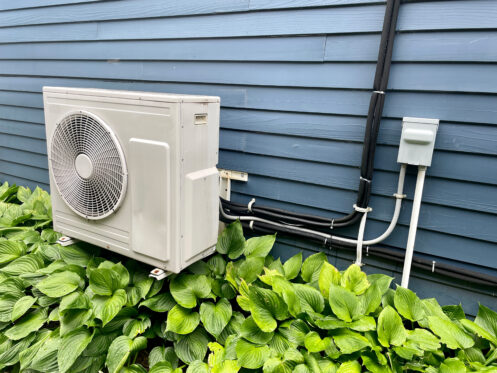
One part of the HVAC industry that will continue to grow for many decades to come is renewable energy integration. Crafting HVAC systems that are specifically designed to work seamlessly with renewable energy sources and storage options is key to long-term independence. Solar-assisted heat pumps and ductless mini-split systems are getting powered directly by rooftop solar panels.
These systems can pair with solar home batteries to run your HVAC unit when there’s an outage, during the overnight hours, or when the cost for your local grid electricity is at its highest. Even traditional geothermal heat pump technology is becoming more affordable and accessible for residential homeowners than ever before.
HVAC-As-A-Service Subscription Models
A fairly newer HVAC model that’s coming out on the market is HVAC-as-a-service. These offer subscription plans for homeowners who no longer have to foot the major upfront cost of purchasing a new HVAC unit for their home. Rather, they pay a monthly subscription fee. Typically, the HVAC installer will take on the responsibility of installing, maintaining, and upgrading the system. This guarantees system maintenance, and most are strategically monitored to ensure optimal system usage and longevity.
Expert HVAC Replacement Services
Elite Heating & Air Conditioning Services offers exceptional HVAC replacement services for the San Diego, CA area. We can also assist with all your HVAC repair, installation, and tune-up needs. Simply call our office today to schedule your next service appointment with one of our helpful HVAC technicians.